


By BUATRE George
The Government of Uganda has expanded the Local Climate Adaptive Living Facility (LoCAL) from four pilot districts in 2023 to 24 districts in 2026, following a new funding commitment of USD 23.4 million from Denmark aimed at strengthening locally led climate adaptation and resilience across vulnerable communities.
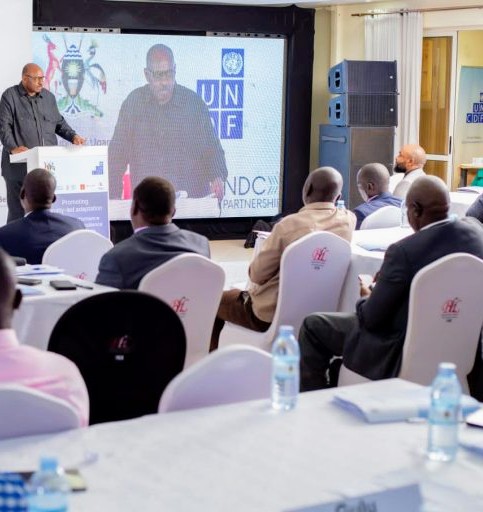
The expansion was announced during the 4th Annual National LoCAL Workshops held in Moroto from April 21–23 and Gulu from April 28–30, bringing together district leaders, central government agencies, and development partners to review progress and coordinate future investments.
The LoCAL Facility enables local governments to access performance-based climate resilience grants through Uganda’s Intergovernmental Fiscal Transfer System, while also receiving technical support and institutional capacity building.
Officials say the programme is intended to ensure climate finance reaches communities most affected by floods, drought, land degradation, and other environmental shocks.
Permanent Secretary at the Ministry of Local Government, Ben Kumumanya, said the initiative is designed to move climate resources closer to ordinary citizens.
“LoCAL is Uganda’s gateway to locally led climate finance, ensuring resources reach the last mile while focusing on sustainable investments,” he said.
The 24 beneficiary districts are Kasese, Nebbi, Nwoya, Nakapiripirit, Zombo, Kikuube, Koboko, Bulambuli, Kitgum, Nabilatuk, Agago, Kiboga, Kotido, Moroto, Bukedea, Bukwo, Butaleja, Pallisa, Napak, Amuru, Gulu, Kyankwanzi, Terego and Rwampara.
Government data presented at the workshop indicated that over the last four years, 14 participating districts invested UGX 14 billion in local climate adaptation projects. With the latest expansion, Uganda plans to disburse UGX 17 billion in the 2026/27 financial year to the 24 districts through climate-resilient grants.
District leaders welcomed the programme, saying it comes at a critical time when many rural communities are facing worsening climate-related pressures affecting agriculture, water access, roads, and livelihoods.
Speaking for participating districts, Yusuf Akubonabona said the support would help districts long exposed to climate risks and urged continued expansion to cover more vulnerable areas.
United Nations Capital Development Fund representative Justine Adrain called for sustained financing and stronger collaboration among government institutions and development partners.
The LoCAL programme is jointly supported by the governments of Denmark, Ireland, Belgium, the European Union, and the NDC Partnership.
Analysts say the latest scale-up signals Uganda’s growing shift toward decentralized climate financing, where districts are expected to lead adaptation projects based on local priorities while remaining accountable for results.
If you have a story in your community or an opinion article, let’s publish it. Send us an email via editor@peaknews.co.ug. Follow our WhatsApp Channel HERE to see more of our stories.