




























By Stephen Osere & Suzan Okware
The award of a multi-million-dollar contract for the supply of Personal Protective Equipment (PPE) to facilitate Uganda’s country response in ongoing Ebola outbreak management is being questioned with whistleblowers disputing the integrity of the procurement process involving Cargocare Freight Services (PTY) Ltd, which is a South Africa-based cargo and freight company.
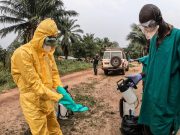
The $80m contract relates to the urgent procurement and delivery of essential protective equipment for the protection of frontline health workers and other agencies involved in the combating of the very menacing Ebola problem.

However, the whistleblowers are now saying that the contract was awarded in a manner that didn’t comply with the procedures prescribed under Uganda’s Public Procurement and Disposal of Public Assets (PPDA) Act.
The whistleblowers are alleging that the company did not obtain the contract through a transparent and competitive procurement process. To this implies that the procurement must have been influenced by powerful individuals inside the government who made it possible for the established legal procedures to be bypassed.
The whistleblowers further allege that approximately $0.5m was paid as an improper inducement to facilitate the award of the lucrative contract. Efforts by this news website to corraborate and verify these were still ongoing at the time of publication.
It’s being argued that any scandalous conduct connected to such procurement for Ebola emergency response would be betrayal to the citizens of Uganda because such contracts are funded using their own public resources, dedicated to the provision and protection of healthcare workers and the wider population during national public health crises.
Because to them its a matter of urgent national importance, the whistleblowers have formally circulated copies of their petition to the Inspector General of Police (IGP), the Public Procurement and Disposal of Public Assets Authority (PPDA), the Inspectorate of Government (IGG). The same has been circulated to other relevant political leaders and oversight institutions like the Parliament Committee of COSASE to ensure that the allegations are investigated promptly, independently and transparently.
The whistleblowers want the government investigators to establish whether procurement laws were complied with, whether emergency procurement provisions were lawfully applied and whether any public officials or private individuals innapropriately influenced the awarding of the contract to Cargocare Freight Services (PTY) Ltd.
Also to be inquired into is the extent to which these whistleblowers claims could breach of public trust in the relevant institutions of government.
The whistle blowers say that there is need for stronger accountability in the management of emergency procurement transactions in Uganda.
The whistleblowers also rightly assert that public confidence in government institutions depends on transparent procurement processes and more so in cases where contracts are about national health emergencies.
The PPDA, the Inspectorate of Government, law enforcement agencies and all other relevant oversight bodies are also being called upon to establish whether this particular PPE procurement complied with the law. There are also questions relating to possible commission of criminal or administrative misconduct.
The South African-based company referred to by the whistleblowers has not publicly responded to the allegations. Neither are there any indications at this stage that the company has been found liable for any wrongdoing.
Equally true, no government of Uganda official has been charged or found responsible in connection with the allegations.
As Uganda continues strengthening its preparedness to protect frontline workers against Ebola, the whistleblowers argue that transparency and accountability in emergency procurement is vital if we are to maintain public confidence while ensuring that resources intended to save lives are prudently managed.
The findings of any official investigations will have serious implications for public procurement, emergency health preparedness and also for Uganda’s broader efforts to strengthen accountability in the management of public resources.
This remains preliminary information whereby all the wild claims referenced above have not yet been corraborated in court or by key relevant authorities charged with investigating public procurement corruption in Uganda.